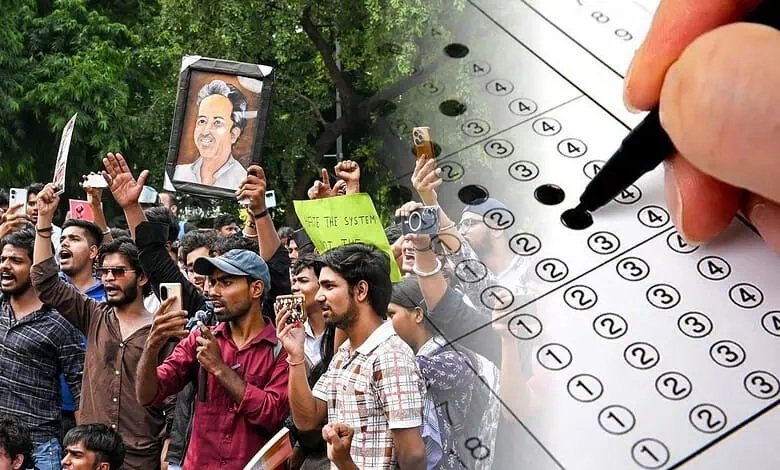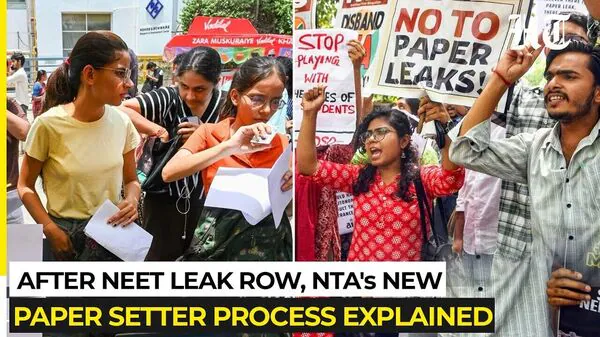

India's national examination system is set for renewed parliamentary scrutiny following concerns over the integrity of competitive tests and the NEET-UG 2026 question-paper leak. The Department-related Parliamentary Standing Committee on Education, Women, Children, Youth and Sports will examine whether the existing public examination system requires further procedural and institutional reforms.
The committee's decision comes after the cancellation of NEET-UG 2026, which raised questions about the effectiveness of safeguards intended to protect high-stakes examinations. The previous parliamentary panel examining the issue had observed that the cancellation, despite the measures taken, demonstrated the need for stronger institutional mechanisms.
The committee was reconstituted in September 2026 for a one-year term and has selected its subjects for review during the 2026–27 period. Alongside examination security, its agenda includes the functioning of coaching centres, the implementation of the National Education Policy (NEP) 2020 and the performance of major education bodies.
Why Is the Parliamentary Panel Reviewing Exam Integrity?
National examinations such as NEET-UG, JEE and UGC NET determine access to medical education, engineering programmes, research fellowships and academic careers. Irregularities can therefore have consequences extending beyond examination day, including disrupted admissions, financial losses and uncertainty for lakhs of candidates.
The NEET-UG controversy has intensified calls for stronger question-paper security, clearer accountability and reliable examination procedures. The challenge is particularly significant for examinations conducted across multiple centres, where coordination among testing agencies, state authorities, examination centres and security personnel is essential.
The parliamentary review will provide an opportunity to examine vulnerabilities in the existing system and consider what additional safeguards may be required. However, the announcement concerns the committee's review agenda; it does not mean that new examination rules have already been introduced.
Coaching Centres Also Under Scrutiny
The committee will examine the functioning of coaching centres, including the regulations governing them, their enforcement and compliance.
Coaching institutes play a major role in preparing students for competitive examinations, particularly in fields such as medicine and engineering. However, concerns about high fees, student safety, mental health and the pressure associated with competitive preparation have intensified the debate over their regulation.
The review could help assess whether existing rules are being implemented effectively and whether stronger oversight is needed. It also brings attention to the wider environment in which students prepare for examinations, including the financial burden on families and the availability of counselling and grievance-redressal systems.
In its earlier report on strengthening the National Testing Agency (NTA), presented on October 9, 2026, the parliamentary committee recommended improvements in examination security, accountability and grievance handling. It also called for stronger institutional capacity to help the agency respond to organised examination fraud.
NEP 2020, CBSE and NCERT Among Other Focus Areas
The committee's agenda extends beyond competitive examinations. It will review progress in implementing NEP 2020 and examine the functioning and performance of the National Council of Educational Research and Training (NCERT), the Central Board of Secondary Education (CBSE) and the Central Advisory Board of Education (CABE).
The CBSE review will cover affiliation, regulation, examination conduct and overseas operations. The panel will also assess student welfare and support systems in school education, including health, safety, mental well-being, inclusive education and grievance redressal.
Another area of focus is the impact of artificial intelligence and emerging technologies on education and student employability. The committee will also examine the implementation of University Grants Commission (UGC) regulations and guidelines concerning the internationalisation of higher education.
These subjects reflect the broader challenges facing India's education system, from maintaining examination credibility to improving student support and preparing learners for changing employment requirements.
What Happens Next?
The committee's review will be important in determining whether existing safeguards are sufficient or whether further changes are needed in examination administration, coaching-centre regulation and institutional accountability.
For students, the key concern is whether reforms can make examinations more secure, predictable and fair. Effective measures would need to address not only question-paper protection but also transparent procedures, timely grievance resolution and clear responsibility when examinations are disrupted.
The wider task is to restore confidence in public examinations without creating unnecessary barriers for candidates. The committee's findings and any subsequent recommendations will help shape the next phase of debate over how India conducts its most consequential examinations.