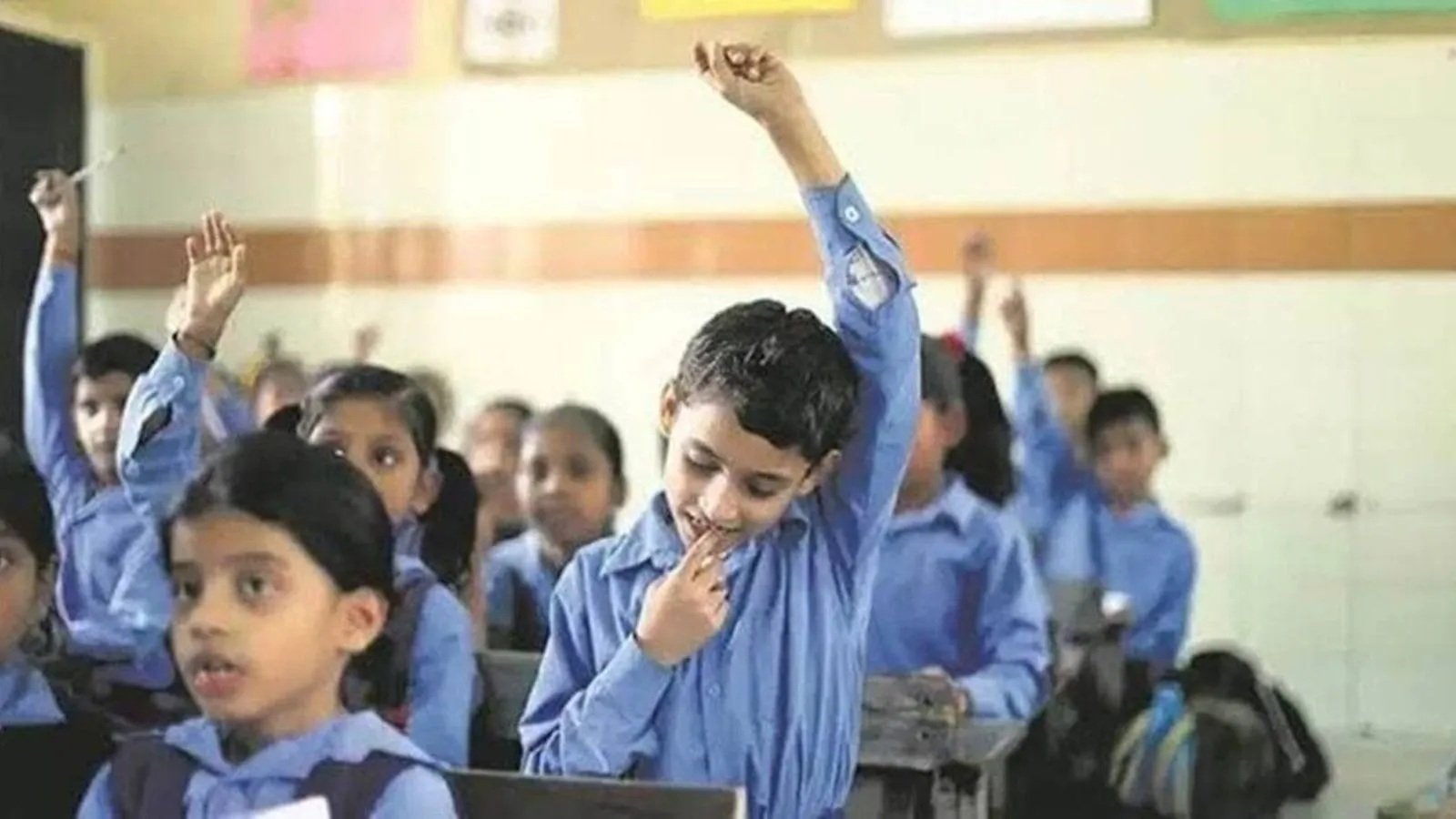
India's education system increasingly requires students to clear one examination after another to progress through their academic and professional lives. A student may appear for board examinations, sit entrance tests for undergraduate admissions, take another examination for postgraduate study and then face competitive recruitment tests to secure employment.
This growing dependence on examinations has prompted renewed debate about whether the system tests students too frequently while undervaluing sustained academic performance. In an October 30 editorial published in The Hindu, educationist Furqan Qamar argued that India's reliance on multiple layers of examinations must be reconsidered, with greater recognition given to students' performance over several years.
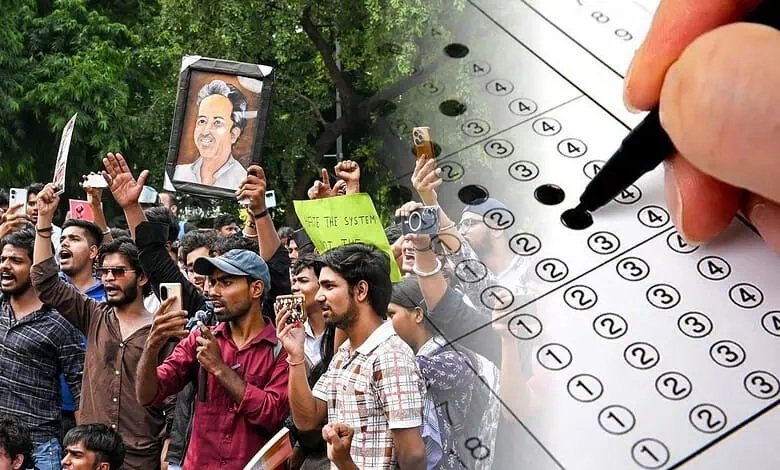
The debate comes amid continuing concerns about examination security, paper leaks, cancellations and the reliability of centralised testing. While competitive examinations can provide a common benchmark for selecting candidates, their growing number has also increased the financial, logistical and emotional demands placed on students and their families.
Why Are Students Taking So Many Examinations?
Competitive examinations were introduced partly to address concerns about inconsistent marking standards, differences between educational boards and the fairness of admissions based solely on school results.
Today, students seeking admission to engineering, medicine, law and other professional courses may need to prepare for examinations such as JEE, NEET, CLAT and CUET. Those pursuing postgraduate education, research or government employment encounter additional tests, including GATE, CAT, UGC NET and examinations conducted by recruitment agencies.
The problem is not necessarily the existence of these examinations, but the extent to which different tests assess similar skills. Candidates may repeatedly demonstrate their aptitude and subject knowledge to different institutions, each with separate application processes, fees and schedules.
Qamar's argument is that this system has gradually shifted attention away from consistent learning towards successive high-stakes assessments. Students may spend substantial portions of their school and college years preparing for entrance tests rather than developing a broader understanding of their subjects.
The Financial and Emotional Cost of Competition
Preparing for multiple examinations can involve coaching fees, study materials, application charges, travel and accommodation. Students who require repeated attempts may face these expenses over several years.
This can create unequal conditions for candidates from different economic backgrounds. Students who can afford specialised coaching and repeated preparation may have advantages over equally capable candidates who lack access to similar resources.
The pressure also extends beyond finances. Examination schedules, uncertain results and the prospect of losing another academic year can contribute to anxiety and exhaustion. Reporting on India's competitive examination environment has documented the intense pressure associated with high-stakes tests and the consequences of examination disruptions for aspiring students.
When examinations are cancelled or compromised, candidates may also face delayed admissions, additional preparation and unexpected expenses. These burdens are particularly difficult for families that have already invested heavily in a student's education.
When Classroom Learning Takes a Back Seat
An examination-centred system can influence how students learn. Instead of prioritising conceptual understanding, classroom participation and independent thinking, preparation may focus on memorising information, solving predictable question patterns and improving speed.
Coaching institutions can become central to this process, while regular school or college assessments receive less attention in decisions about admissions and career opportunities.
A single examination also captures performance at a particular moment. Illness, anxiety or an unexpected disruption can affect a candidate's result, even when the student has demonstrated strong academic ability over time.
This raises an important question: should a student's future depend predominantly on one test, or should admissions decisions consider a broader record of achievement?
Can Academic Performance Replace Repeated Entrance Tests?
One proposed alternative is to strengthen school board examinations and university assessments so that they play a greater role in admissions, scholarships and recruitment.
Class XII marks and university grade-point averages can reflect sustained effort across multiple subjects and semesters. However, relying on these records alone would also present challenges because educational boards and institutions may differ in curricula, marking practices and assessment standards.
A shift towards academic records would therefore require credible moderation, standardised comparison methods, external audits and safeguards against inflated marks. Additional aptitude tests could be retained where institutions can demonstrate that they measure skills not already captured by existing assessments.
The objective would not be to eliminate every competitive examination, but to avoid repeatedly testing the same capabilities without a clear justification.
Examination Reform Must Address the Shortage of Seats
Reducing the number of examinations would not, by itself, resolve the intense competition for admission. Demand for affordable, quality higher education continues to exceed available places in several sought-after programmes and institutions.
If the number of seats remains limited, competition will persist regardless of whether candidates are selected through entrance tests, school marks or a combination of both.
Reform must therefore go beyond assessment methods. Expanding access to quality public universities and colleges, improving institutional standards and strengthening accountability in examination administration are equally important.
India's challenge is to build a system that identifies merit without placing unnecessary financial and psychological burdens on students. Recognising sustained academic performance, limiting redundant tests and making examination processes more reliable could help move the system towards that goal.