
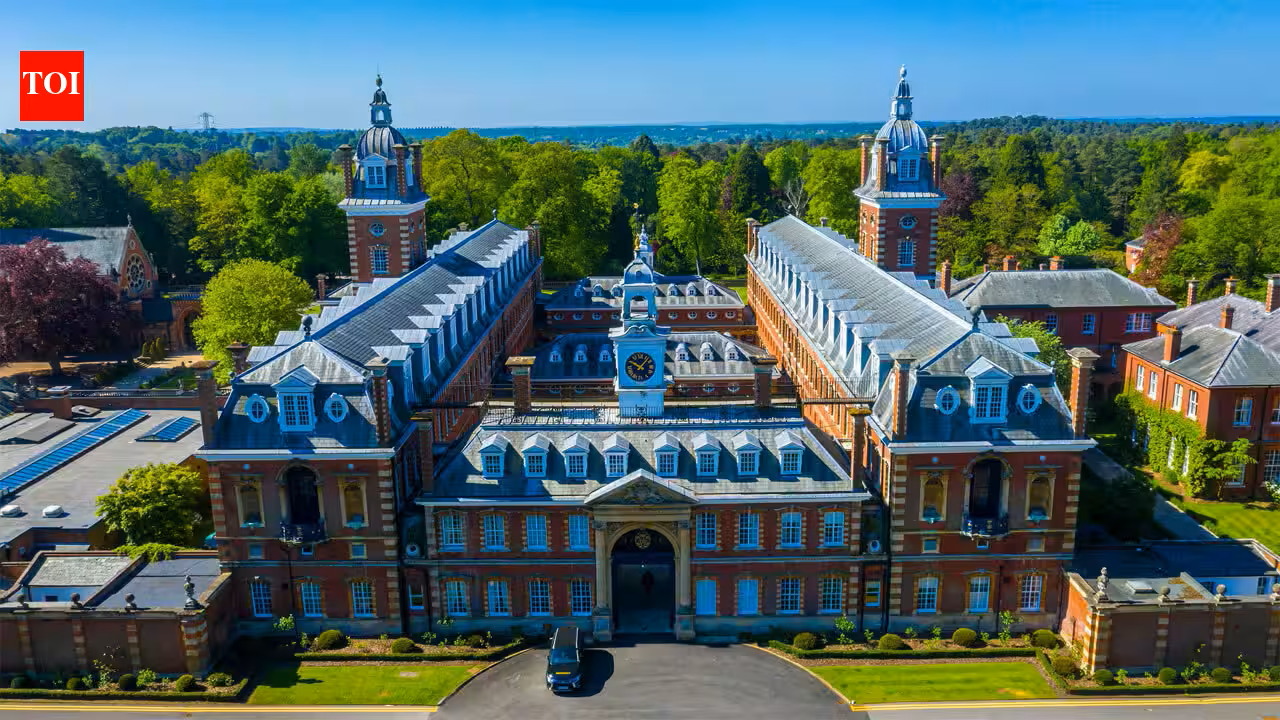
For generations, Indian families seeking a British school education often looked towards the United Kingdom. Now, some of Britain’s established schools are bringing their educational models to India, opening campuses and forming partnerships with domestic education groups.
The trend is visible across several institutions. Shrewsbury School opened its Indian campus in Bhopal in 2025, Wellington College International Pune is already operating, and Queen Elizabeth’s School, Barnet, opened a branch campus in Gurugram in August 2026. The King’s School Canterbury has launched a Bengaluru venture with Vidyashilp Education Group, with its first pupils expected in the 2027–28 academic year. Clifton College, meanwhile, has partnered with Lighthouse Learning to explore educational collaboration in India.
These developments raise a larger question: what are British schools bringing to India beyond their historic names and international reputations?
Why British Schools Are Looking at India
The expansion reflects changes in both the UK and Indian education markets. British independent schools face rising operating costs and a changing domestic environment, while India has a growing premium-school segment where parents are increasingly familiar with international qualifications and overseas university pathways. The introduction of VAT on private-school fees in the UK from January 2025 has added to the pressures facing the sector, although it is not the sole explanation for international expansion.
For Indian families, the attraction is not necessarily limited to a British curriculum. Parents may also be looking for stronger university guidance, extracurricular opportunities, international exposure, student wellbeing and an education model that places importance on leadership and independent thinking.
Opening campuses locally can make such schooling accessible without requiring families to send children overseas. However, these schools generally target the premium end of the market, meaning affordability remains a significant consideration.
What Do These Schools Bring Beyond Their Names?
A central part of the proposition is the transfer of educational practices developed over decades or centuries. These can include teacher training, academic quality assurance, pastoral support, boarding education, sports, arts and structured co-curricular programmes.
Shrewsbury International School India, for example, has emphasised building an institution that reflects both its British heritage and its Indian setting. Wellington College International Pune has highlighted teacher development, leadership opportunities and a broad curriculum alongside academic rigour.
The emphasis is on developing students beyond examination results. Communication, teamwork, resilience and the ability to work independently are presented as important outcomes alongside academic achievement.
Yet these approaches cannot simply be copied from one country to another. Schools must understand local families, cultural expectations, educational requirements and the needs of Indian students. Their long-term credibility will depend on how effectively they translate their stated philosophy into classroom practice.
Different Schools, Different Expansion Models
The current wave does not follow a single template.
The King’s School Canterbury is starting its Bengaluru school with younger pupils and plans to expand year groups progressively. Queen Elizabeth’s School is using a branch-campus model in Gurugram, while Shrewsbury has established a residential school in Bhopal.
Clifton College has chosen a partnership-led approach with Lighthouse Learning rather than immediately committing to a standalone campus. The collaboration is intended to support knowledge exchange and develop capabilities such as leadership, entrepreneurship, adaptability and independent thinking.
These differences matter because a school's success depends on more than the reputation of its parent institution. Local leadership, teacher recruitment, curriculum delivery and consistent academic standards will all shape the experience students receive.
Can the British School Model Adapt to India?
The biggest test for these institutions may be their ability to balance international identity with local relevance.
India already has established boarding schools, respected domestic school groups and international schools offering different curricula. British institutions are therefore entering a competitive environment where a historic name alone may not be enough to justify premium fees.
Parents will need to assess practical factors such as teacher quality, class sizes, curriculum, university destinations, student support, facilities and the total cost of attendance. Schools, in turn, will have to demonstrate that their promised educational approach produces meaningful outcomes.
There is also an opportunity for knowledge exchange in both directions. Indian schools bring experience in operating within a diverse and rapidly changing education system, while international partnerships can introduce new approaches to teacher development, student engagement and global collaboration.
The Bigger Picture
British schools expanding into India signal a shift in how international education is delivered. Instead of relying exclusively on students travelling abroad, established institutions are increasingly exploring ways to build a presence in the countries where demand exists.
But the real measure of success will not be how many historic British names appear on Indian school buildings. It will be whether these institutions deliver strong teaching, meaningful student development and an education that is both globally connected and locally grounded.





