
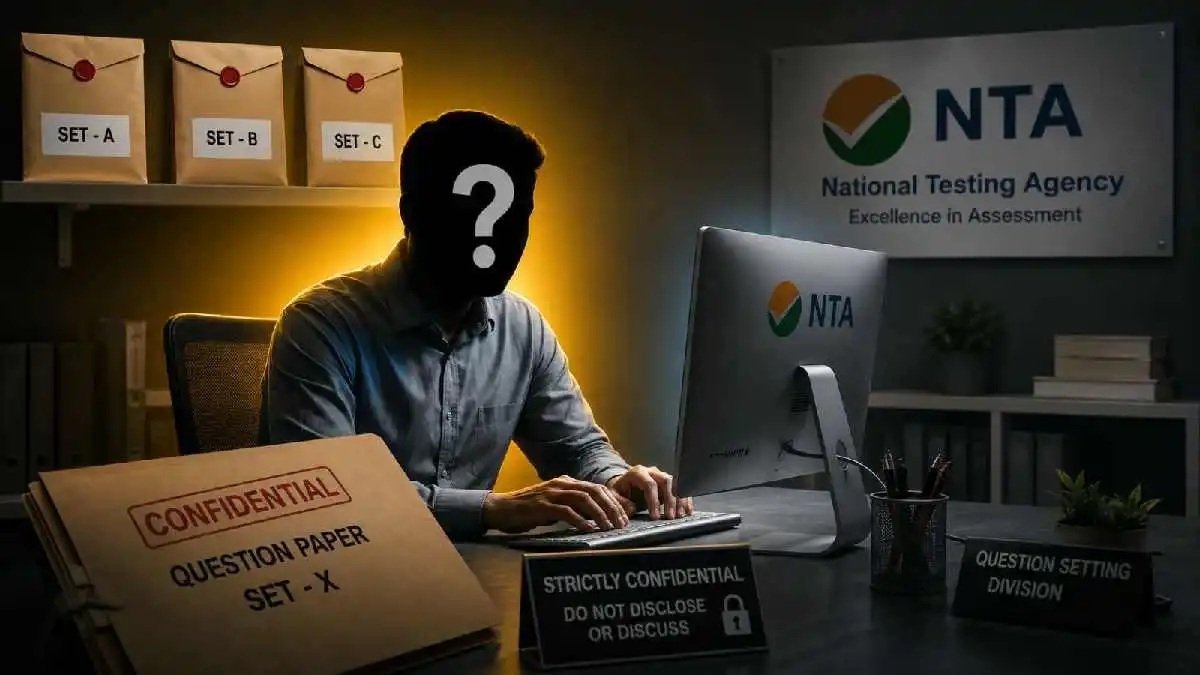
The NTA is introducing a strict, four-tier vetting process that enforces explicit background checks, strict confidentiality agreements, and bars anyone associated with private coaching institutes. However, experts argue that replacing individuals is only a partial fix.
What the Reform Involves
According to the newly issued EoI guidelines, the NTA’s action centres on eradicating conflicts of interest at the foundational level of question paper framing. The regulatory scrutiny extends beyond pure academic credentials to active professional disclosures, where links to coaching hubs appear to have triggered the massive institutional purge.
In the case of question setters, the NTA has flagged mandatory background verification to ensure individuals have no direct or indirect ties to commercial test-preparation entities. After a series of lapses exposed by the CBI, the regulatory body concluded that the existing database violated core protocols of exam secrecy — a vulnerability that allowed leaks to originate from the very experts tasked with translation and review.
A similar issue arose with the physical handling of question vaults, where compromised local administrators and transport links leaked papers prematurely. The high-powered Nandan Nilekani task force has subsequently sought clarifications on moving towards tamper-proof logistics and digitized question distribution.
The structural flaw is arguably the most serious of the challenges, relating not just to individual integrity but to the actual legal status of the testing body. Governance panels found that the NTA operates without statutory powers — a finding that leaves it without direct legislative accountability or mandatory CAG audits, hamstringing its ability to enforce uniform penal actions across various states.
Why This Matters
High-stakes national exams sit in a uniquely sensitive educational category — unlike standard school assessments, these competitive tests decide the future of millions of students who have limited attempts and are entirely dependent on the absolute transparency of the testing body. This is precisely why institutional reforms must place strict limits on outsourcing: third-party vendors who handle printing, transport, and local digital centers introduce vulnerabilities that go beyond basic administrative oversight.
Assessment integrity plays a critical role in preserving public trust in meritocracy, and prescribed security standards exist precisely to ensure a level playing field for students — who cannot recover lost years or psychological distress the way an institution might survive a corporate rebranding. A systemic failure, even in a single examination cycle, is treated with extreme seriousness by judicial and public bodies alike.
The Bigger Picture
This crisis puts a spotlight on the layered nature of educational administration in India — covering not just the academic rigorousness of the question papers, but the end-to-end security of the logistics chain. The fact that the initial steps focus primarily on weeding out compromised insiders suggests that the immediate priority is stopping internal collusion, particularly where coaching institutes wield heavy commercial influence.
The technological findings, meanwhile, reinforce why cybersecurity experts advocate for encrypted, just-in-time digital delivery rather than relying solely on physical trunks and police escorts — and why structural audits are needed to fix flaws before millions of admit cards are issued.
What Comes Next
Further developments are awaited on how the NTA operationalizes its new expert panel, whether the upcoming winter cycles will shift entirely to computer-based testing, and what legislative steps — if any — Parliament takes to grant statutory status to the testing body. The case will undoubtedly prompt closer scrutiny of question-setting workflows across other major testing boards in India.





