
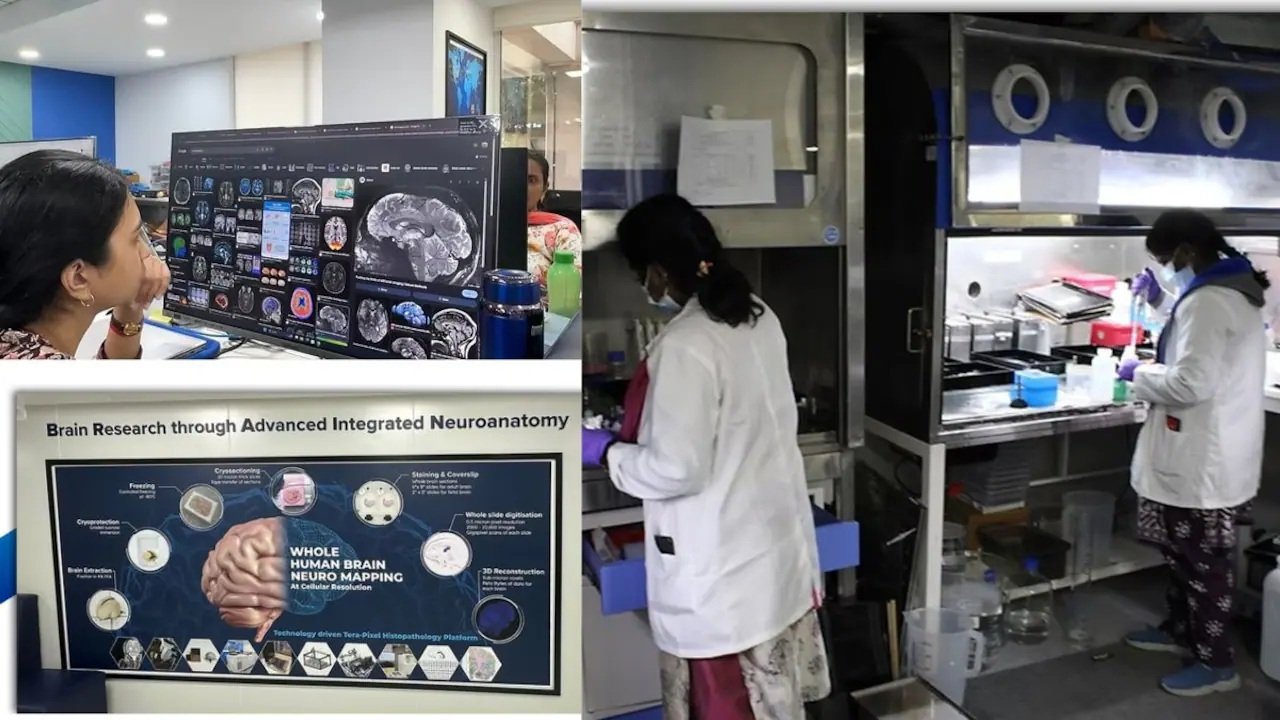
Currently, the waiting period for definitive breakthroughs in treating degenerative diseases represents a steep uphill climb to transition from passive management to cellular-level fixes, turning laboratory research pipelines into hubs of frantic global anticipation.
What the Advanced Mapping Involves
According to policy insights from leading research clusters, the path to seamless medical innovation centres on bridging the technical divide between high-precision computing and traditional biological sciences. Scrutiny of early data sets indicates that while advanced urban research facilities adopt these automated pipelines effortlessly, broader clinical applications face distinct bottlenecks in gathering data, setting up regional tissue repositories, and training specialized clinical faculty when cutting-edge medical discoveries arrive unexpectedly.
In the case of curriculum and capacity building, engineering faculty flag that rigid diagnostic frameworks force hospitals to prioritize standard MRI scans over deeply creative, multi-modal microscopic understandings. After evaluating the variable progress of brain mapping across different global centers, directors concluded that standard medical platforms will continue to experience immense operational stress unless patient-specific cellular environments are anticipated well in advance.
A similar issue arises with technical equity and infrastructure access, where data handling capabilities across different medical colleges create sudden structural bottlenecks. To counter this, technological planners at the Sudha Gopalakrishnan Brain Centre have accelerated the expansion of their open-source atlases—such as the ANCHOR and DHARANI platforms—emphasizing that digital repositories, high-resolution microscope pipelines, and chemical marker data must be collectively scaled to give all clinical researchers an equal foot in medical discovery.
The interdisciplinary friction is arguably the most serious of the challenges, relating directly to the overlapping pressures from computational data limits and biological complexity. Because cellular imaging generates nearly 1.5 petabytes of data per digital brain, a lack of active collaboration between electrical engineers and clinical neurosurgeons frequently stalls effective therapeutic mapping, slowing down the real-world absorption of laboratory physics into active operating rooms.
Why This Matters
Human brain mapping sits in a uniquely sensitive medical category—unlike broad anatomical research, a precise understanding of neurovascular structures directly determines India's long-term capability to fight strokes, Parkinson's, and Alzheimer's disease. This is precisely why flexible, proactive institutional planning must dictate execution: localized biological variations, such as rapid tissue decay or varying text translation paces in multi-centric global medical trials, cannot be fixed effectively from central administrative offices without giving localized research labs a comprehensive head start.
Preserving patient well-being plays a critical role in maximizing public health output, and targeted cellular-level adjustments exist precisely to ensure that vulnerable, disease-prone demographics are not left behind by delayed treatment paths. A structural bottleneck in preparing digital diagnostic references is treated with particular seriousness, as it threatens to alienate a massive population of aging citizens whose quality of life could be lost under the weight of late-stage neurological complications.
The Bigger Picture
This sudden research push puts a spotlight on the multi-layered nature of educational and scientific governance in India—covering not just laboratory imaging, but massive digital storage updates. The fact that top administrators are prioritizing open-source data availability suggests that IIT Madras is trying to act as a supportive catalyst for global clinical groups rather than leaving them to navigate highly restricted corporate medical files in isolation.
The inclusion of online portals and open-access networks to access these structural atlases on the official IIT Madras Brain Portal, meanwhile, reinforces why academic bodies advocate for balanced digital adoption. Technology experts maintain that while computational automation can serve as a powerful administrative enabler to fight diagnostic errors and data silos, AI models must not become an unregulated substitute for human clinical mentorship or core patient care values.
What Comes Next
Further developments are awaited on how the Ministry of Science and Technology structures new financing buffers for research labs managing multiple advanced engineering streams simultaneously. Closer attention will also be paid to whether regional state medical colleges actively align their own tissue labs with the targeted national high-throughput imaging pipelines. The initiative will undoubtedly prompt a systemic review of state-by-state translation rates from clinical research desks to professional hospital wards across the country.





