
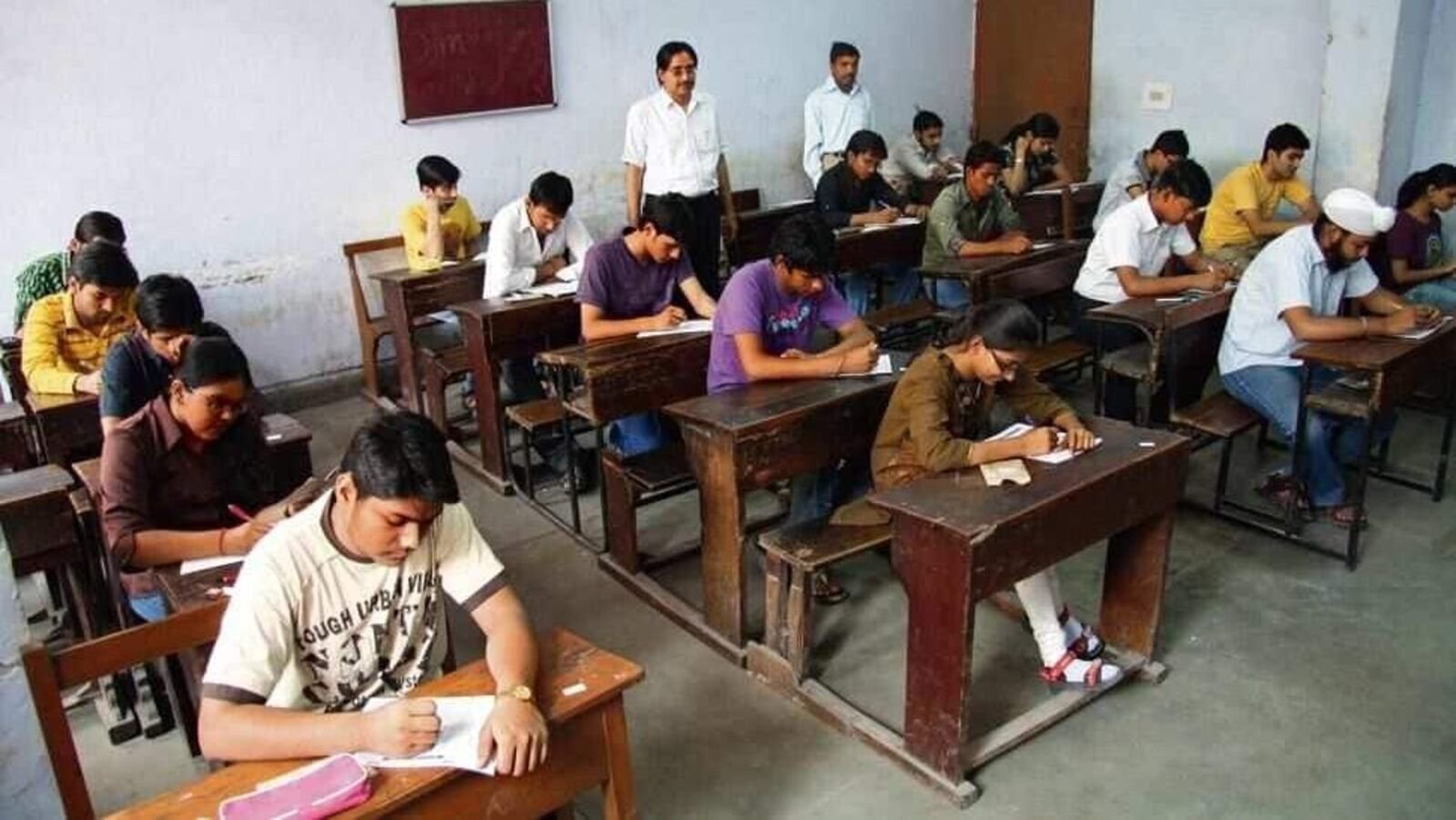
According to the latest public notice issued by the CTET Unit on September 14, 2026, the board finalized a fresh schedule to streamline the examination cycle for hundreds of thousands of applicants.
Revised Exam Schedule and Shift Details
The upcoming CTET September 2026 exam will now transition into a two-day winter testing cycle:
- New Exam Dates: December 12 and December 13, 2026.
- Mode of Examination: The eligibility test will be held in a traditional offline (pen-and-paper) layout utilizing OMR sheets.
- Shift Logistics: The board will manage the test across two mandatory daily shifts. Paper II, tailored for candidates seeking eligibility to teach Classes 6 to 8, will occur during the morning shift. Conversely, Paper I, meant for those intending to teach Classes 1 to 5, will be administered in the evening shift.
Reason for Postponement
The adjustment to the testing timeline was triggered following direct Supreme Court directions issued to CBSE. The apex court instructed the board to temporarily reopen the online application portal. This extension allowed eligible, dropped candidates who missed the primary registration window a final, fair opportunity to enroll for the national-level exam. Given the subsequent addition of thousands of new applicants, CBSE deferred the September session to December to adequately organize the logistics, test centres, and printing requirements across the country.
Tracking the City Intimation and Admit Card Timeline
Aspirants can actively track official updates and access security logins through the Official CBSE CTET Portal:
- City Intimation Slip: Candidates can check their assigned examination city and designated date roughly 15 days before the first day of testing.
- Admit Card Download: The final hall ticket, complete with precise examination centre details, mandatory reporting hours, and code guidelines, will be available for download exactly 2 days prior to the exam dates.
Understanding the CTET Exam Blueprint
The CTET is structured to gauge a candidate's pedagogical understanding, critical thinking, and domain knowledge.
- Paper I (Primary Stage): Comprises 150 Multiple Choice Questions (MCQs) spanning Child Development and Pedagogy, Language I & II, Mathematics, and Environmental Studies.
- Paper II (Elementary Stage): Also contains 150 MCQs, focusing heavily on Child Development and Pedagogy, Language I & II, alongside an intensive section on either Mathematics/Science or Social Studies, depending on the teacher’s core stream.
There is no negative marking implemented in either paper, prompting candidates to attempt all structural problems within the allotted 150 minutes per session.
Qualifying Criteria and Certification Validity
To clear the exam, general category candidates must secure a minimum qualifying mark of 60% (90 out of 150 marks). Candidates belonging to reserved categories, such as SC, ST, OBC, and PwD, receive a relaxed concession, with the qualifying threshold typically set at 55% (82.5 out of 150 marks).
Once a candidate passes the test, the CTET certificate validity remains active for a lifetime. The qualification serves as a mandatory gatekeeper for securing permanent or contractual teaching roles within premium Central Government institutions—including Kendriya Vidyalayas (KVS), Navodaya Vidyalayas (NVS), Central Tibetan Schools, and various schools under the administrative control of Union Territories.





